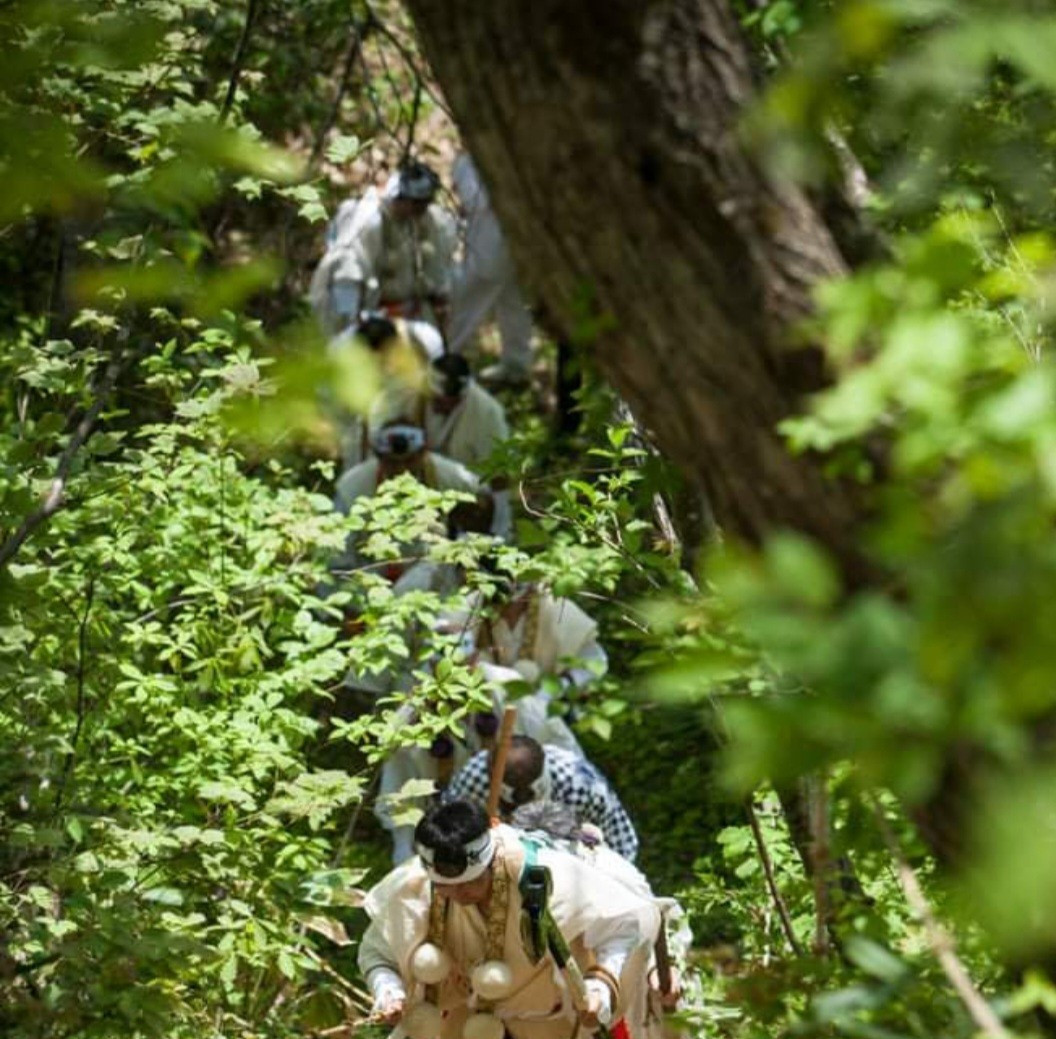
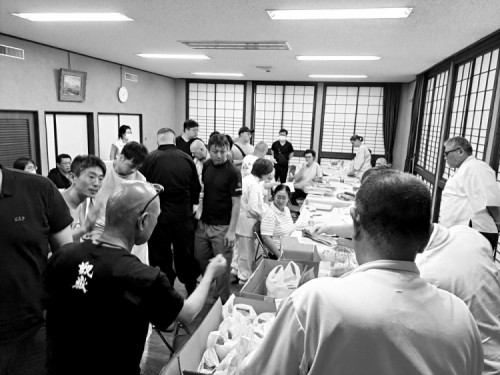
Pictured is the hall where first-time participants (shinkyaku) were an hour long induction on what to expect over the course of mountain entry (nyūbūshūgyō) and the abhiṣeka of karmic connection (kechienkanjō). Here, we also successfully launched the new book. After a brief midnight overview of the English commentary on the abhiṣeka ritual manual, we retired for a 2:30am start. Roughly 50 participants of various backgrounds, ages and genders were in attendance, most of them for the first time.
Unfortunately, there were issues with the abhiṣeka venue, which meant that senior practitioners left the mountain to frantically prepare an entirely new set up for the ceremony to take place, elaborately preparing and decorating three new halls.
Mitsunaga Dai-Ajari arrived at the mountain to encourage practitioners and several senior sendatsu, who did not rest or sleep for the entire period, ensured that events went ahead smoothly for participants. A large number of locals and practitioners across denominations took part in the kechien kanjō and were able to form a relationship with the various buddhas and bodhisattvas of the maṇḍala. There are many reserved aspects to this ritual, however I can say that the grand wonder of the ceremony will be something participants will keep looking back to throughout the course of their lives.
Here, Shugendo serves as a profound rite of passage on the stage of shinbūtsu-shugō; that is, the harmony between kami and buddhas.
The Dharma is concerned with liberation (解脱; gedatsu) and the fulfilment of the bodhisattva path, while the way of kami is concerned with 'world building' and all things in creation; the generative cycles of the cosmos and the intersection between the human, earth and celestial planes. The essence of this harmony tells us, "the heavenly high plain is expressed as the natural maṇḍala; in the leaves and trees lie the splendor of myriad divinites." Many of the profound mysteries of Shugendo's mountain entry, the three barriers, five stages, three crossings, and the ten-realms practice, will remain with participants like a riddle to chew on for a long time.
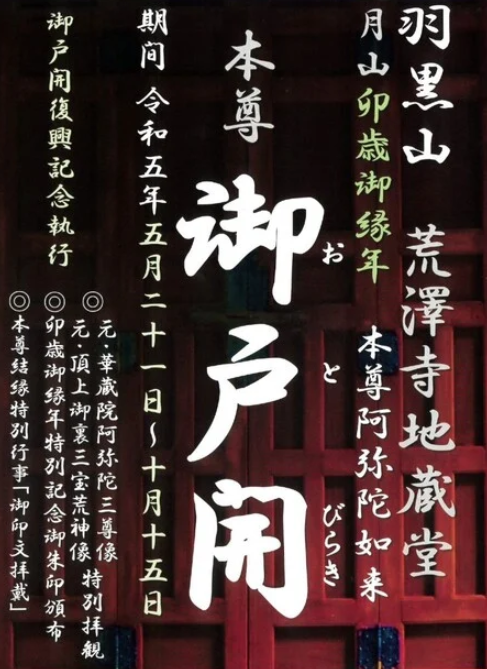
Several priests stayed on to continue teachings with Mitsunaga Dai Ajari, and I was able to assist across a few events with some amateur translating. With Covid-19 measures easing, Shugen groupings across Yamagata seem to be blossoming with a renewed effort, with many temples organising grand-scale events. At Haguro, the Summer Training Gate-Opening Ceremony (御戸開; otobiraki) will be held at Shozenin at the Arasawa-Jizo Hall for the first time since the Meiji period separations (where it was once held at Jakkoji), revived 155 years later.
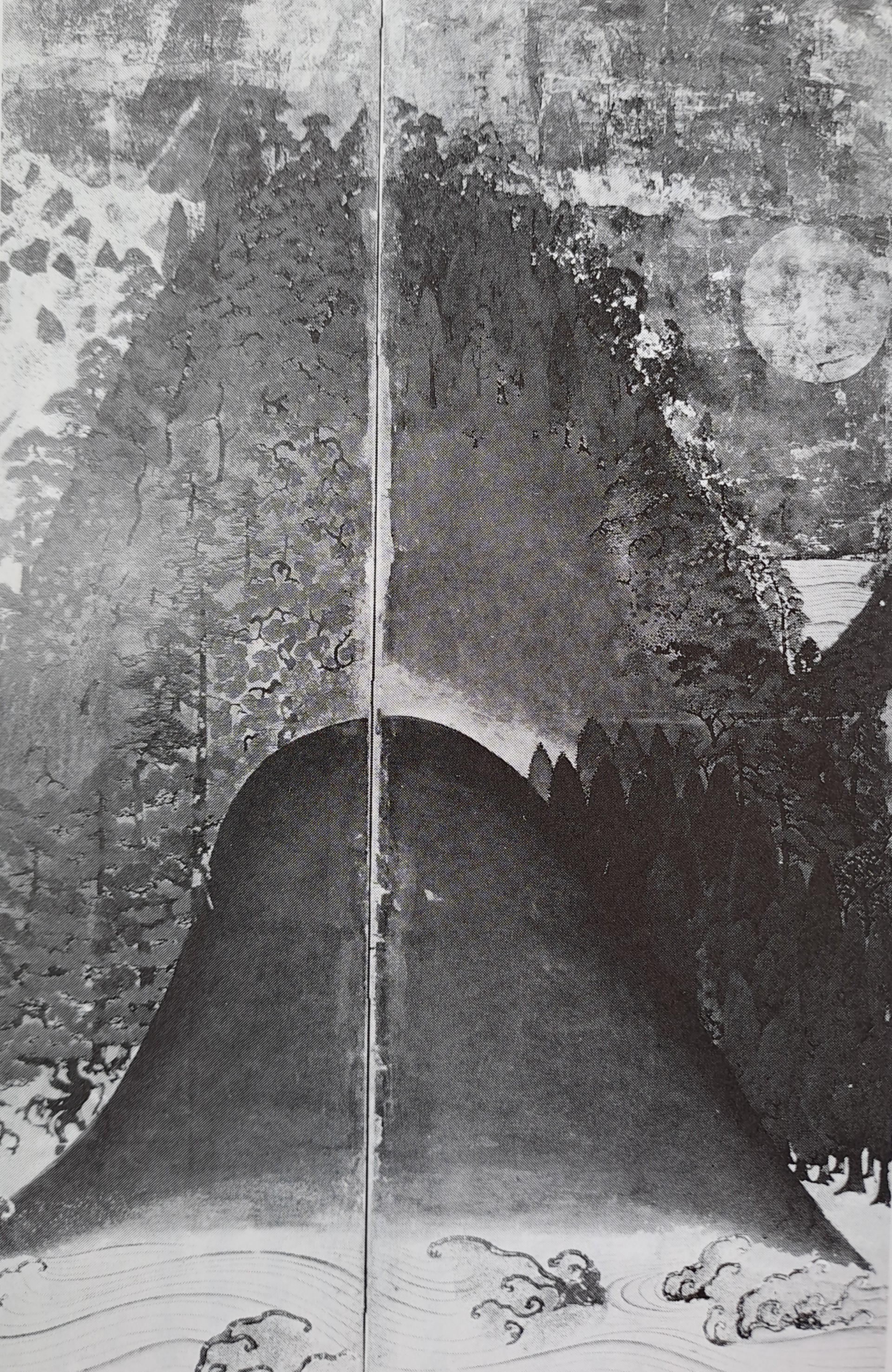
The Mountain as a device which reproduces and gives birth to the secret world of inner-realisation
Written by Shokai Koshikidake . Translated by Jishō.
At Dewa Sanzan, enshrining the Kumano triad of Avalokiteśvara, Bhaiṣajyaguru and Amitābha took the form of Avalokiteśvara (Haguro), Mahavairocana (Yudono) and Amitābha (Gassan). Dewa Sanzan is a space of inner-realisation which teaches that by ritually traversing the mountains which enshrine these three, it is possible to travel back and forth between the space-time of past, present and future.
When traversing the mountains, these realms are vividly observed. In the Shugen of Haguro, this is referred to as 'the three gates, five stages and three crossings'. The establishment of mind and approach of practitioners is of the utmost importance when considering the mountains in Shugen. That is, for Shugen, the mountain is not just a geographical location, rather, the mountain functions as a device which reproduces and gives birth to the secret world of inner-realisation. The character for 'peak' (mine) can be broken down into three characters; longevity, mountain and mote (something small like a mustard seed). Gradually, seed by seed, a mountain is formed. Here, the practitioner does not even have to set foot in the place. Rather, simply by recollecting this space which we call 'yama', the practitioner is guided towards wakefulness. This wakefulness cannot be obtained through shidō-kegyō, esoteric Buddhist rituals or the performance of kaji-kitō. Ofcourse, as practitioners, we must enter the peak and undertake the practice of the ten-realms, however wakefulness entails that our mindful-recollection and composure stretches out to this「mountain」in all aspects of our daily-existence.